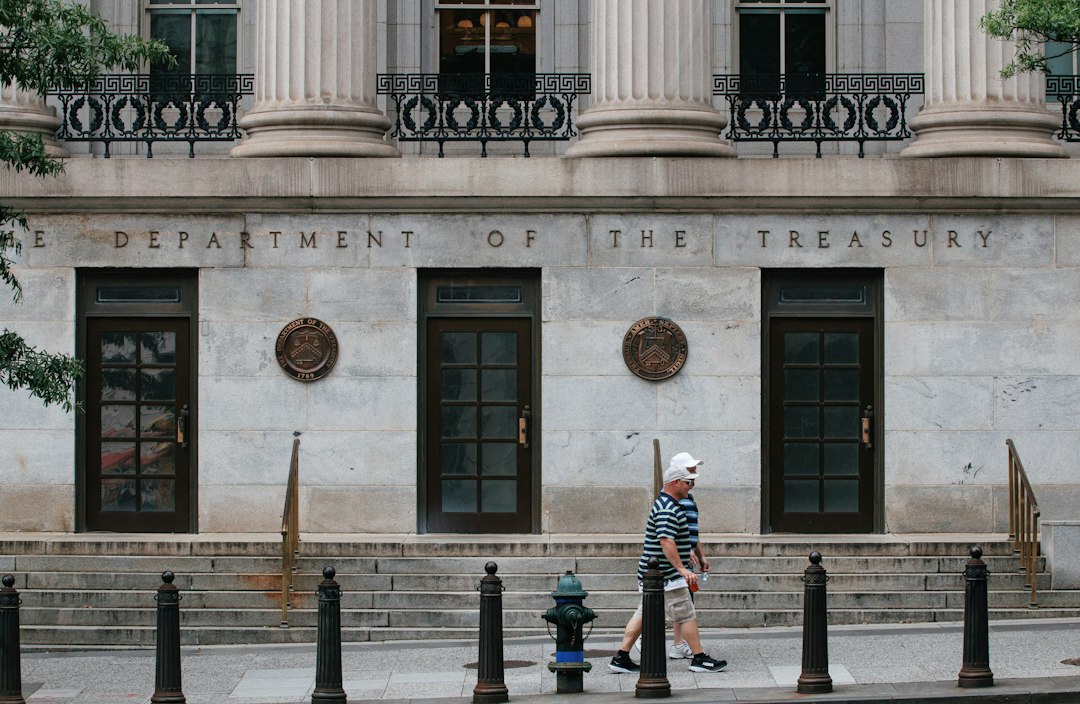
The U.S. Treasury Department has issued a new warning to foreign financial institutions that continue doing business with Iran or its financial sector, saying those relationships can expose banks and other institutions to U.S. sanctions.
The Office of Foreign Assets Control published the Iran-related alert on October 5 under the title “Notice to Foreign Financial Institutions Conducting Business with Iran.” Reuters reported that Treasury is signaling that foreign institutions can face sanctions if they continue prohibited or sanctionable activity involving Iran.
What Treasury is warning banks about
U.S. sanctions rules can create risk for foreign financial institutions even when a transaction does not pass directly through the United States. In certain circumstances, institutions that knowingly conduct or facilitate significant transactions for sanctioned Iranian banks or other designated parties can themselves become targets of U.S. sanctions.
OFAC’s Iran sanctions program includes restrictions tied to Iran’s financial sector, energy industry, military-related entities, and other designated individuals and organizations. The specific legal exposure depends on the parties involved, the type of transaction, the applicable statute or executive order, and any available exemption or authorization.
The October 5 alert is part of a broader enforcement push
OFAC’s October 5 action did more than publish the new banking alert. The agency also announced sanctions-list changes and published an amended Iran-related frequently asked question.
The official OFAC notice links to a Treasury press release and to the new alert, underscoring that the warning is part of an active enforcement posture rather than a general statement of policy.
Reuters described the message to foreign banks as unusually direct: institutions that continue business with Iran’s financial sector face the possibility of being sanctioned by Washington.
Why foreign banks pay close attention to OFAC
Access to the U.S. financial system and the dollar is important to banks around the world. Sanctions exposure can therefore create consequences that reach well beyond a single transaction.
A designation or other sanctions action can affect correspondent banking relationships, access to U.S. counterparties, payment processing, compliance costs, and a financial institution’s willingness to serve customers connected to higher-risk jurisdictions.
That is why major international banks typically maintain extensive sanctions-compliance programs designed to identify designated parties and transactions that could trigger U.S., European, United Kingdom, United Nations, or other sanctions rules.
Not every Iran-related transaction is automatically prohibited
It is important not to overstate the alert. U.S. sanctions programs contain licenses, exemptions, and specific authorizations for certain categories of activity. Humanitarian trade and other transactions can be subject to different rules depending on the circumstances.
The legal question for a financial institution is not simply whether a transaction has some connection to Iran. It is whether the transaction involves a sanctioned person or sector, falls under a sanctions authority, qualifies for an exemption or license, and creates secondary-sanctions exposure.
Institutions facing those questions normally rely on OFAC guidance and specialized sanctions counsel rather than political commentary or social-media summaries.
The national-security dimension
The United States uses financial sanctions as a foreign-policy and national-security tool. By restricting access to the U.S. financial system and threatening secondary consequences for certain foreign transactions, Washington can place pressure on governments and organizations without relying solely on military measures.
Iran has been subject to multiple U.S. sanctions programs for years, covering issues that include nuclear proliferation, terrorism-related designations, ballistic-missile activity, and other national-security concerns.
The latest warning shows that Treasury is focusing not only on Iranian entities themselves but also on the foreign financial infrastructure that may allow sanctioned activity to continue.
What to watch next
The key question is whether OFAC follows the warning with new actions against foreign banks, payment companies, or financial intermediaries. A public alert does not mean that every institution doing business in the region will be sanctioned, but it raises the compliance risk for firms with exposure to designated Iranian parties.
Future Treasury designations, enforcement notices, general licenses, and updated FAQs will provide the clearest indication of how aggressively the warning is being applied.
Sources reviewed: U.S. Treasury Office of Foreign Assets Control, October 5, 2026; OFAC Iran Sanctions Program; Reuters, October 5, 2026.