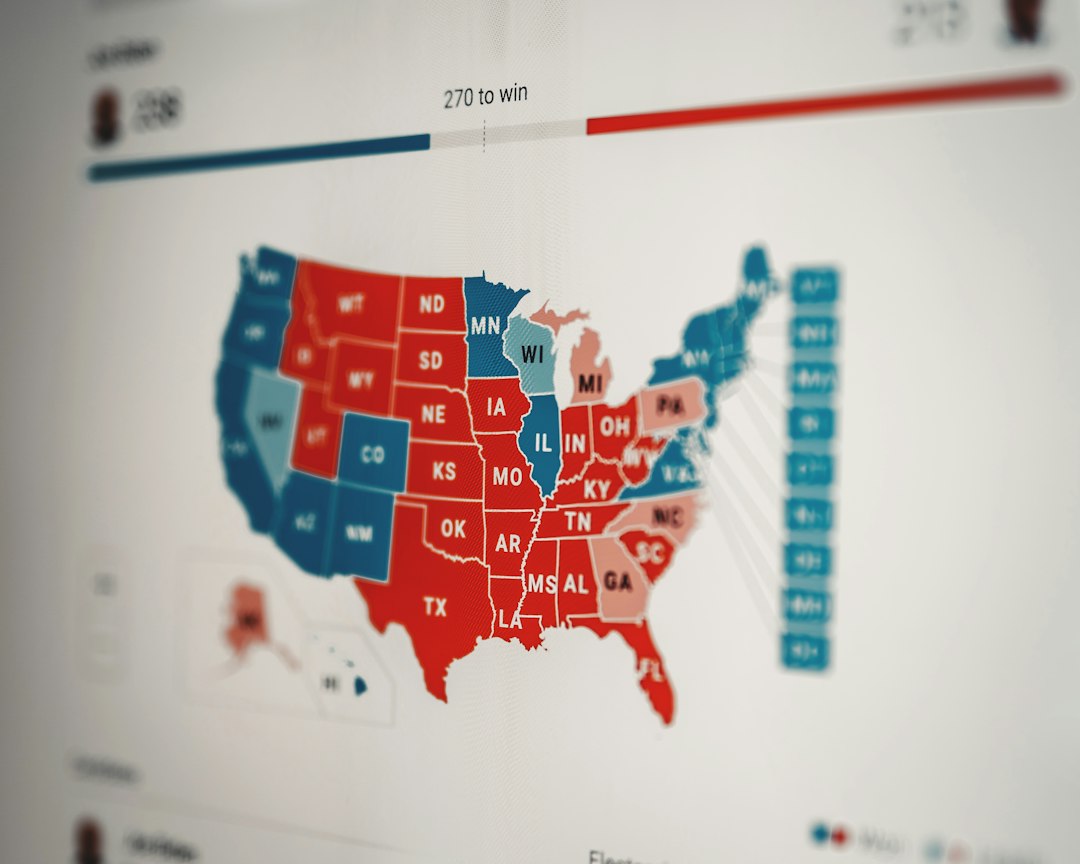
Ohio voters began casting early ballots on October 6, opening one of the most closely watched stretches of the 2026 midterm campaign as control of both chambers of Congress remains competitive.
The timing is official: the Ohio Secretary of State lists October 6 as the start of both early in-person voting and absentee voting by mail for the November 3 general election. The registration deadline was October 5, and the state is offering more than four weeks of early voting, including evening and weekend hours later in the month.
Why Ohio matters nationally
Ohio has become a focal point because several federal races could matter to the balance of power in Washington. Reuters reported that one U.S. Senate contest and two House races are being treated as particularly competitive as the parties fight over narrow congressional margins.
The Senate race features Republican Jon Husted and Democrat Sherrod Brown in a special election. Brown, a former U.S. senator, is attempting to return to the chamber, while Husted is defending a seat for Republicans. With the Senate closely divided, even one result can affect the number of seats each party needs elsewhere on the map.
The House is also part of the equation. Reuters identified competitive races involving Republican Rep. Max Miller and Democratic Rep. Marcy Kaptur. Those contests are drawing national attention because the House majority is narrow enough that a small number of district-level changes could determine which party controls the chamber next year.
Early voting is now underway
According to Ohio’s official election calendar, early in-person voting runs from October 6 through November 1. During the first week, early-voting locations are scheduled to operate from 8 a.m. to 5 p.m. The schedule expands later in October, including extended weekday hours and weekend voting.
Absentee voting by mail also began October 6. The state says regular absentee ballots must be received by county boards of elections no later than 7:30 p.m. on Election Day, while separate deadlines apply to military and overseas voters.
The Secretary of State’s office is directing voters to VoteOhio.gov for official registration information, sample ballots, early-voting locations, and ballot tracking.
Economic pressure is shaping the campaign
The congressional fight is taking place against a national backdrop dominated by the cost of living, energy prices, housing expenses, and broader concerns about the direction of the country. Reuters reported that inflation-related frustration is a major issue in Ohio as candidates attempt to turn national economic sentiment into votes at the district level.
That dynamic creates a difficult environment for incumbents of both parties. Candidates are trying to localize their messages around jobs, energy, public safety, taxes, and household costs while national party organizations frame the races as a referendum on control of Washington.
What voters should watch next
The first numbers worth watching will be early-voting participation and absentee-ballot activity. Those figures do not predict a winner by themselves, because each party’s voters may choose different voting methods and vote at different points in the calendar. They can, however, provide useful context about turnout intensity.
The more important test will come as candidates move through the final weeks of October. Advertising will intensify, national surrogates are likely to make additional appearances, and late polling will focus on whether undecided voters are breaking toward one party.
For readers following the race from outside Ohio, it is also important to separate official election information from campaign messaging. Dates, polling locations, ballot rules, and certified results should be checked against the Ohio Secretary of State or county election boards. Claims made by campaigns should be treated as political statements unless independently verified.
The bottom line
Ohio’s early-voting period is now open, and the state is positioned to play an outsized role in the national midterm story. With a Senate seat and multiple House districts drawing national attention, the decisions made by Ohio voters over the next four weeks could influence which party controls Congress after November 3.
Sources reviewed: Ohio Secretary of State 2026 Voting Schedule; Ohio Secretary of State press release, October 5, 2026; Reuters, October 6, 2026.